

What if the most important piece of learning equipment your child uses at their centre isn't a book or a toy, but the shoes on their feet? Many parents in St. Albert feel a bit of stress when looking at a supply list, wondering why a specific pair of indoor-only footwear is necessary. It is easy to feel like it's just another expense, but understanding the indoor shoes for daycare requirements is actually about protecting your child's safety and supporting their physical growth. You want to know that your investment will keep them comfortable while meeting the high standards of a licensed Alberta facility.
We understand that you want the best for your child's development and want to avoid wasting money on items that don't fit the rules. This guide will clarify exactly what makes a shoe safe, healthy, and compliant with local expectations. We will explain the hygiene benefits of keeping outdoor dirt away from play mats and how certain designs help your child develop the independence to put on their own shoes. By the end, you'll have a clear checklist to ensure your child's feet are well-supported for a full day of discovery and play.
Key Takeaways
- Understand why licensed facilities prioritize indoor-only footwear to keep play areas free from Alberta's outdoor contaminants and protect children from potential hazards.
- Learn how to meet specific indoor shoes for daycare requirements by selecting non-marking soles and easy-to-use closures that support your child's independence.
- Discover how to choose the right footwear for your child's specific developmental stage, from soft-soled options for early walkers to supportive designs for active toddlers.
- Get practical tips for maintaining your child's gear, including how often to check for a proper fit and the importance of labeling to keep belongings organized at the centre.
Why Licensed Daycares Require Indoor Shoes
Many parents wonder why their child needs a second pair of footwear for the classroom. In a licensed Alberta facility, this policy is a fundamental part of maintaining a high standard of care. Indoor shoes are a dedicated pair of clean, non-marking footwear kept at the centre for daily use. Meeting the indoor shoes for daycare requirements is a simple way to contribute to the overall safety and health of the entire group.
Alberta winters bring unique challenges to a shared learning environment. We deal with heavy snow, slush, and corrosive road salt for many months of the year. When children wear their outdoor boots into play areas, they track in moisture and contaminants that settle into carpets and mats. Since toddlers spend a significant portion of their day sitting and crawling on the floor, keeping these surfaces sanitary is vital for their health. A dedicated pair of shoes ensures that the outside world stays at the door.
Beyond cleanliness, footwear is a critical safety tool. While socks might seem comfortable, they often lack the necessary traction for hardwood or linoleum floors. This lack of grip increases the risk of slips during active play or when children are moving quickly between activity stations. A sturdy shoe also acts as a shield. It protects small toes from accidental stubs against furniture or the impact of a dropped wooden block during a building project.
Health and Hygiene Standards in Alberta
Licensed centres follow strict cleaning protocols to ensure floor-level play is safe for toddlers and infants. By switching to indoor-only footwear, we significantly reduce the amount of outside allergens and germs that enter the classroom. This practice helps maintain a healthier environment for everyone, especially for children with sensitive respiratory systems. It also ensures that moisture isn't tracked onto soft surfaces, which prevents the growth of mould or mildew in high-traffic areas.
Safety and Emergency Preparedness
Emergency readiness is a top priority for any professional childcare provider. During a fire drill or an actual evacuation, children must be able to exit the building immediately. They cannot stop to put on boots in the middle of a cold winter day. Having proper footwear already on their feet ensures they can walk safely across cold or uneven ground outside. Well-fitted Toddler shoes also provide the stability needed as children learn to navigate different textures and stairs. This support is crucial for their physical development and confidence as they move through the centre.
The Essential Indoor Shoe Checklist for Parents
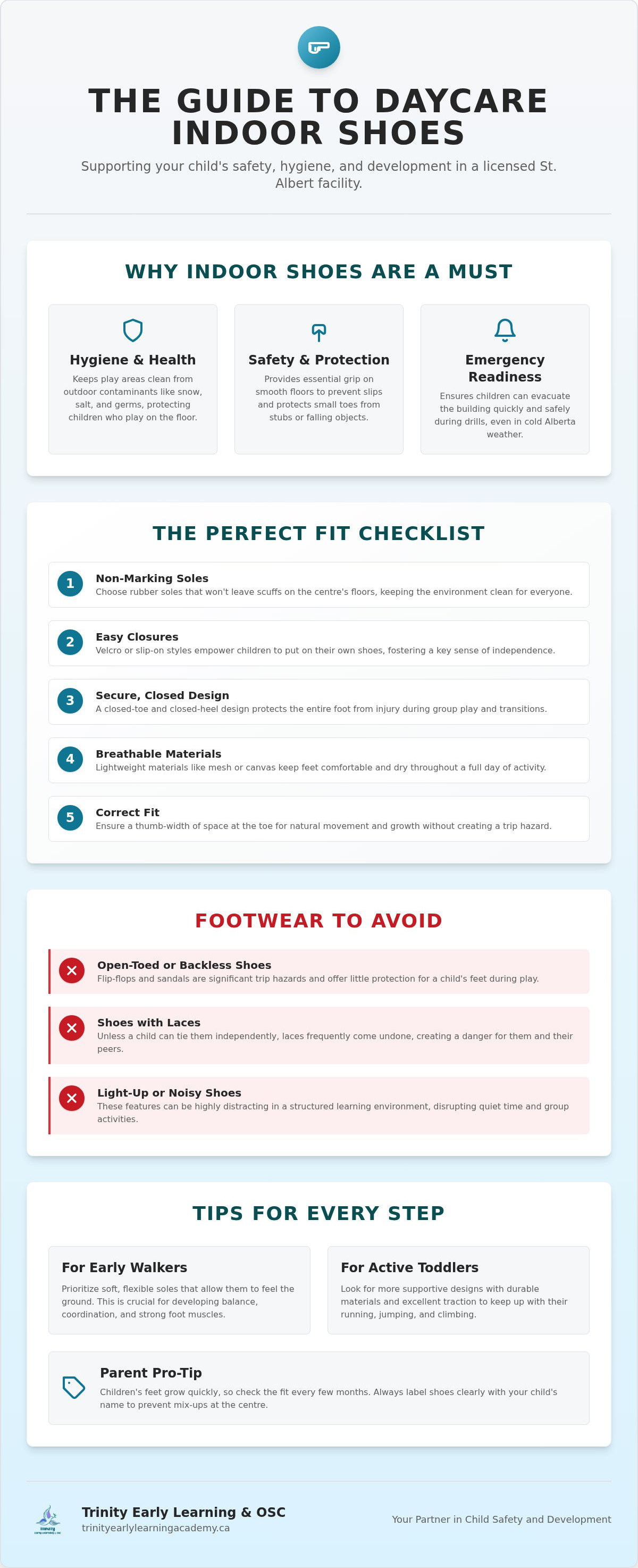
Finding the right pair of shoes is a practical step in preparing your child for a successful day. To meet the specific indoor shoes for daycare requirements, we recommend focusing on five key features. First, look for non-marking rubber soles. These are essential to prevent scuffing the centre's floors and keep the environment looking its best for everyone. Second, prioritize Velcro or slip-on closures. These designs allow children to realize their goal of dressing themselves, which is a major milestone in early childhood development. Third, always choose a closed-toe and closed-heel design. This structure keeps the foot secure during transition times and prevents injuries during group play.
Comfort is just as important as safety for all-day wear. Look for breathable materials like mesh or soft canvas to keep little feet comfortable during long hours of indoor activity. Finally, ensure the fit is correct by leaving about a thumb-width of space at the toe. This allows for natural growth and movement without the shoe becoming a trip hazard. Following the AAP's guidance on toddler shoes will help you select footwear that supports healthy foot development while keeping your child stable on various indoor surfaces.
What to Avoid in Daycare Footwear
Some footwear styles create unnecessary risks in a group setting. Avoid flip-flops or open-back sandals because they pose a significant trip hazard during active play. Laces are also a concern for younger children. Unless your child can tie them independently, laces often come undone and create a danger for both the child and their peers. It's also best to avoid light-up or noisy shoes. These can be quite distracting in a learning environment and may disrupt quiet activities or group focus times.
Materials and Durability
The materials you choose will determine how well the shoes last through the school year. Flexible leather or high-quality canvas is ideal because it allows for natural foot movement and breathability. Avoid heavy or stiff soles that can hinder a child's gait and cause muscle fatigue. Durable fabrics that can withstand daily use and frequent cleaning are the best investment for your family. When children have the right gear, they feel confident and ready to explore. If you're searching for quality childcare that pays attention to these important details, our St. Albert centre is here to support your family's needs.
Choosing Shoes for Developmental Milestones
Selecting the right footwear is a decision that evolves as your child grows. It is not just about meeting the indoor shoes for daycare requirements; it's about supporting your child's physical progress at every stage. For infants and early walkers, the primary goal is to provide protection without restricting movement. Soft-soled shoes are ideal during this phase because they allow for sensory feedback from the floor, which is essential for developing balance and coordination. Following AAP footwear recommendations ensures that your child's first shoes mimic the benefits of being barefoot while keeping them safe in a group environment.
As children transition into the toddler years, their activity levels increase significantly. Toddlers need a balance of flexibility and support as they begin to run, jump, and climb. This stage requires a shoe with a more durable sole that can handle active play while still being light enough to prevent fatigue. Consulting with a professional can help you organize the best footwear choices for your child's specific age and activity level. By the time children reach preschool age, the focus shifts toward shoes they can manage without adult help. This change supports their growing need for autonomy during the busy daycare day.
Supporting Natural Foot Growth
Proper foot development requires a shoe that allows the foot to function naturally. Shoes should be wide enough to allow toes to spread naturally while walking, which prevents cramping and supports better posture. It is best to avoid arch supports for very young children unless specifically recommended by a doctor, as the fatty pad in a toddler's arch is a normal part of development. Flexible soles are a must; they should allow the foot to bend easily at the ball of the foot. This flexibility ensures that the muscles in the feet and ankles grow strong through natural movement.
Independence and Confidence
Self-care skills are a central part of early childhood education. Selecting shoes with easy-to-use tabs or wide Velcro straps helps children feel successful during daily transitions. Teachers at our St. Albert centre encourage children to manage their own shoes to build fine motor skills and a sense of personal responsibility. When a child can put on their own shoes, it provides a significant boost to their self-esteem and independence. Selecting a shoe that is easy to put on supports a child's transition to preschool programs by allowing them to participate confidently in group routines without waiting for assistance.
Maintenance and Practical Tips for Alberta Parents
Buying the right shoes is just the first step in preparing for a successful year. To ensure you continue meeting the indoor shoes for daycare requirements, a regular maintenance routine is essential. This helps your child remain safe and comfortable while supporting the high standards of cleanliness at the centre. Taking a few minutes each month to inspect and care for your child's footwear prevents unexpected issues and ensures the gear performs as intended.
Labelling every item is the most effective way to prevent mix-ups and ensure your child's belongings return home. Use a permanent marker on the tag or iron-on labels on the inner lining of both shoes. We suggest checking the fit of your child's footwear every 2 to 3 months. Children's feet grow at a rapid pace; shoes that were perfect in September might be too restrictive by November. Tight shoes can lead to discomfort and may discourage a child from participating in physical activities or group play.
Labelling and Organization
Place labels on the inside tongue or the heel where they are visible for staff members. Clear organization in the mud-room or cubby area is a key part of daycare safety and efficiency. When you teach your child exactly where their shoes go, you help them learn the daily routine of the centre. This small habit builds confidence and helps the classroom transition times run smoothly. It also makes it easier for teachers to help children get ready for outdoor play or home time.
Seasonal Considerations in St. Albert
Alberta's weather demands extra attention to footwear transitions, especially during the move from the mud-room to the classroom. During our long winters, make sure indoor shoes are easily accessible in the cubby so your child can change out of heavy, wet boots immediately upon arrival. This prevents moisture and slush from reaching the classroom floor where children play. It is also wise to check the soles for salt residue occasionally. Even if the shoes stay inside, salt can be tracked in near the entrance. This residue can degrade the rubber grip over time and make the soles slippery.
In the warmer months, consider if the shoes are still breathable enough to prevent overheating during active indoor play. Keeping a second "emergency" pair in your child's cubby is a great strategy for unexpected spills, water table splashes, or accidents. This ensures your child doesn't have to spend the day in damp footwear. Regular cleaning to remove fine dust will also help maintain the non-slip properties of the soles, which is essential for safety on polished floors. If you are looking for licensed daycare services that prioritize this level of organization and safety, we invite you to learn more about our St. Albert program.
How Trinity Early Learning & OSC Supports Your Child's Safety
At Trinity Early Learning & OSC, we view every detail of our program through the lens of your child's well-being. This includes the way we manage footwear. Our St. Albert facility is designed with dedicated, organized spaces for shoe changes to maintain a clean environment. By ensuring that outdoor grit, moisture, and road salt remain in the mud-room, we create a hygienic space for floor-level exploration and active play. We prioritize safety and hygiene as part of our commitment to quality childcare, ensuring that our classrooms remain a sanctuary for learning, discovery, and growth.
We follow all Alberta licensing standards to ensure a safe daycare environment for every child. These standards guide our daily operations and our facility policies, including the specific indoor shoes for daycare requirements that keep our floors clear and our students protected. Our educators are more than just supervisors; they are nurturing mentors who work with children to help them develop the skills needed to manage their own footwear. This process is a vital part of our early learning curriculum. It builds the fine motor skills and self-assurance required for daily independence. When children learn to organize their own belongings, they develop a sense of pride in their environment and their abilities.
A Nurturing Environment in St. Albert
We create a space where children feel comfortable and secure in their daily routines. Consistency is key to a child's sense of safety, and knowing exactly where their belongings go helps them feel at home. Our focus on early childhood education includes teaching practical life skills like shoe organization and self-dressing. These small victories in the cubby area lead to greater confidence in the classroom. We believe that a clean and organized facility is the foundation for a productive learning day. If you want to understand how our facility operates within provincial regulations, you can read more about our licensed daycare in St. Albert and our safety protocols.
Ready to Join Our Community?
Choosing a childcare provider is a significant decision for any family. We welcome families to tour our centre and see how we prioritize safety and development in every room. Our team is here to answer your questions about supply lists and daycare requirements to ensure your child's first day is a success. We believe in transparency and partnership with parents to provide the best possible start for every student in our care. Our facility is more than just a daycare; it is a community where families and educators work together. Contact Trinity Early Learning & OSC today to discuss enrolment and discover how we support your child's growth in a stable, nurturing environment.
Preparing Your Child for Success and Safety
Selecting the right footwear is a practical way to support your child's daily comfort and physical growth. By prioritizing non-marking soles and easy closures, you help maintain a sanitary environment and encourage your child's independence. It's also vital to check the fit every few months to ensure their feet stay healthy as they navigate their busy day.
Following the indoor shoes for daycare requirements ensures that your child is ready for every activity, from quiet time to active play. Trinity Early Learning & OSC is a licensed facility by the Government of Alberta and is eligible for the Affordability Grant. We remain St. Albert's trusted choice for families who value a stable, professional, and nurturing childcare experience.
Book a tour at Trinity Early Learning & OSC to see our safe learning environment and meet our team of dedicated educators. We look forward to helping your child feel confident and secure as they begin their journey with us.
Frequently Asked Questions
Can my child wear slippers as indoor shoes at daycare?
Slippers are typically not recommended for a daycare environment because they lack the necessary support and traction for active play. Most licensed facilities require a sturdy, closed-toe shoe with a rubber sole to prevent slips on linoleum or hardwood floors. While slippers feel cozy, they don't protect small toes from accidental stubs or heavy toys. Choosing a structured shoe ensures your child stays stable during transitions and group activities throughout the day.
How often should I check the fit of my child's indoor shoes?
You should check the fit of your child's indoor shoes every two to three months. Children's feet grow rapidly, and a shoe that fits perfectly in September might become too restrictive by late autumn. To check, ensure there is about a thumb-width of space between the longest toe and the end of the shoe. Properly fitted footwear is essential for healthy foot development and prevents the discomfort that can lead to irritability during play.
Are crocs allowed as indoor shoes in licensed Alberta daycares?
While some centres allow them, many licensed Alberta daycares discourage Crocs because they don't always provide a secure fit. The loose heel strap can lead to tripping during fast-paced games or emergency evacuations. To meet the indoor shoes for daycare requirements at most facilities, a shoe with a fully closed heel and toe is preferred. This design ensures the footwear stays firmly in place while your child navigates stairs or different floor textures.
Do I need to buy expensive brands for indoor daycare shoes?
You don't need to purchase expensive designer brands for daycare footwear. The most important factors are the functional features, such as non-marking rubber soles, breathable materials, and easy-to-use Velcro closures. Many affordable options available in St. Albert stores meet all the safety and hygiene standards required by local centres. Focus on finding a flexible shoe that allows for natural movement rather than a specific brand name or high price tag.
Why can't my child just wear their outdoor shoes inside?
Outdoor shoes carry moisture, dirt, and corrosive road salt that can damage indoor flooring and create an unsanitary environment. In Alberta, tracking in slush and mud is a significant concern for facilities where children spend time playing on the floor. Switching to dedicated indoor footwear keeps the classroom clean and reduces the spread of allergens. This practice ensures that play mats and carpets remain a safe, healthy space for toddlers and infants to explore.
What should I do if my child has a specific foot health requirement?
If your child has specific foot health needs or requires orthotics, please discuss these requirements with our centre's director. We are committed to supporting every child's physical development and can work with you to ensure their footwear meets medical recommendations while staying compliant with safety rules. Providing a note from your healthcare provider helps our educators understand how to best support your child's mobility and comfort during their time in our care.
Are there specific colours or styles required for indoor shoes?
Most centres don't require specific colours, but we suggest avoiding shoes with flashing lights or loud noises. These features can be distracting during quiet learning times or group activities. Neutral or bright colours are both perfectly acceptable as long as the shoe meets the basic safety criteria. Prioritizing a simple, functional design helps your child focus on their play and learning rather than the gadgets on their feet.
How can I help my child learn to put on their own shoes for daycare?
You can help your child by choosing shoes with wide Velcro straps and practicing the routine at home. Encourage them to sit down and try pulling the tabs themselves during morning preparations. Our educators also support this development by giving children the time they need to manage their belongings at the centre. This repetition builds fine motor skills and boosts their confidence as they realize they can handle these practical tasks independently.


